Description
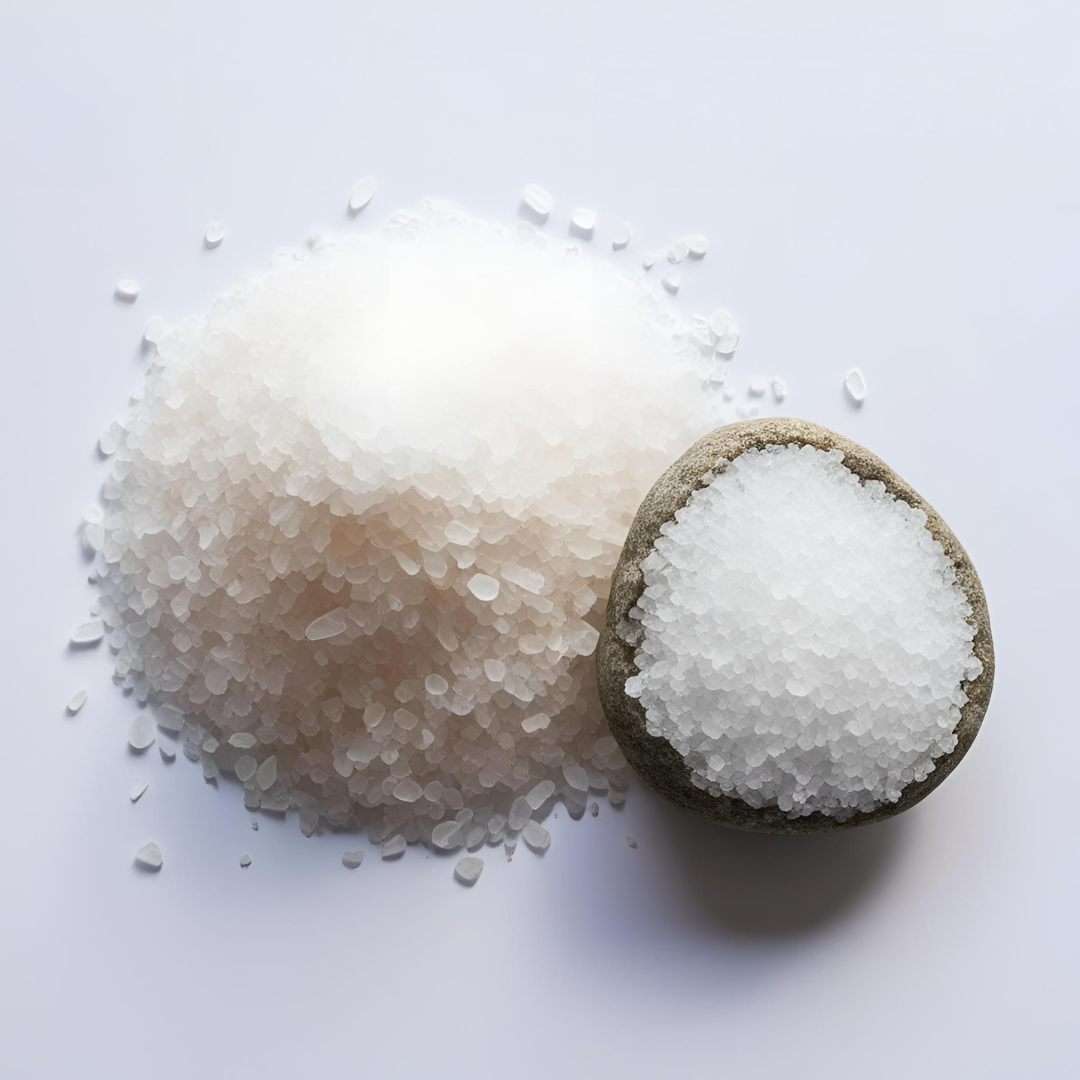
One ingredient. Natural mineral sea salt. That’s it.
Here’s where our brand philosophy gets honest: salt IS an electrolyte, and electrolytes absolutely have a legitimate place in a horse’s diet. Our Flavors line contains no added salt and no added electrolytes — that’s by design, because desire-based hydration doesn’t force thirst with sodium loading inside a blend. But sometimes your horse genuinely needs salt and electrolytes — heavy work, heat, hauling, post-sweat recovery. The Apothecary Sea Salt pouch is how we give you that option in its cleanest, most minimally-processed form — one pure ingredient, dosed by you, on purpose, at the intensity you choose. No proprietary blends, no mystery ratios, no “natural flavors.”
What is sea salt used for in horses?
Sea salt is used to support hydration, electrolyte balance, nerve and muscle function, and trace mineral intake — particularly in horses doing hard physical work, sweating heavily, hauling, or recovering from exertion. Natural mineral sea salt provides sodium, chloride, and trace amounts of magnesium, calcium, potassium, and other minerals that are routinely lost through sweat.
How is this different from commercial horse electrolytes?
Commercial electrolyte powders are typically blends — sodium chloride plus added dextrose (sugar), flavorings, preservatives, sometimes vitamins or amino acids. They’re designed to be thrown in a bucket or a tube and called done. The Apothecary Sea Salt pouch is the opposite: one ingredient, no sugar, no flavorings, no mystery. You decide the dose. You decide when. You decide how much. That’s the Apothecary approach.
Is sea salt safe for metabolic horses?
Yes, with appropriate dosing. Single-ingredient sea salt contains no sugar, no copper, no fillers. It is safe for horses with insulin resistance (IR), Cushing’s disease (PPID), equine metabolic syndrome (EMS), and laminitis — provided sodium is dosed appropriately for the horse’s workload, diet, and any veterinary recommendations. Metabolic horses benefit from clean electrolyte sources without the sugar or molasses that commercial electrolytes often contain. Work with your vet on appropriate daily sodium intake for your horse’s situation.
How do I give sea salt to my horse?
Sea salt can be top-dressed on feed, dissolved in a water bucket (paired with plain water alongside, so the horse can self-select), or offered as a free-choice option in a salt dish. Baseline requirements vary by horse — a resting 1,000 lb horse generally needs 1–2 tablespoons of salt per day, scaling up significantly with heat, work, and sweating. Your vet or equine nutritionist can advise on specific daily dosages for your horse’s weight, workload, and forage mineral profile.
What’s in it
- Natural mineral sea salt. That is the complete ingredient list.
- Minimally processed. No anti-caking agents.
- Made in Land O’ Lakes, Florida.
What’s NOT in it
- No added sugar, no dextrose, no molasses — unlike most commercial electrolyte powders
- No anti-caking agents, no flow agents, no preservatives
- No flavorings, no “natural flavors,” no mystery ingredients
- No synthetic vitamins or amino acids mixed in
Who it’s safe for
Horses in work, heat, or hauling conditions. Horses recovering from exertion or stress. Horses with insulin resistance (IR), Cushing’s disease (PPID), equine metabolic syndrome (EMS), and laminitis (with appropriate dosing). Easy keepers who benefit from clean electrolytes without sugar. Part of the Farmily — appropriate across species at species-appropriate doses.
Pairs well with
Sea Salt is a featured ingredient in the Water Buffet Kit (the purist European method) and the Mare Pack. For hauling and show-day hydration without added salt, see Ready Roadie (our travel-specific Flavors blend).
Improve Equine is made in Land O’ Lakes, Florida. Salt and electrolytes have a legitimate place in a horse’s diet. We just think you should add them deliberately, not have them hidden in everything.
Important: This product is a food-grade natural mineral. It is not a medicine, is not intended to diagnose, treat, cure, or prevent any disease, and is not a substitute for veterinary care. Sodium intake should be matched to your horse’s workload and diet — consult your veterinarian or equine nutritionist for specific dosing, especially for horses with diagnosed conditions or on medication.