Description
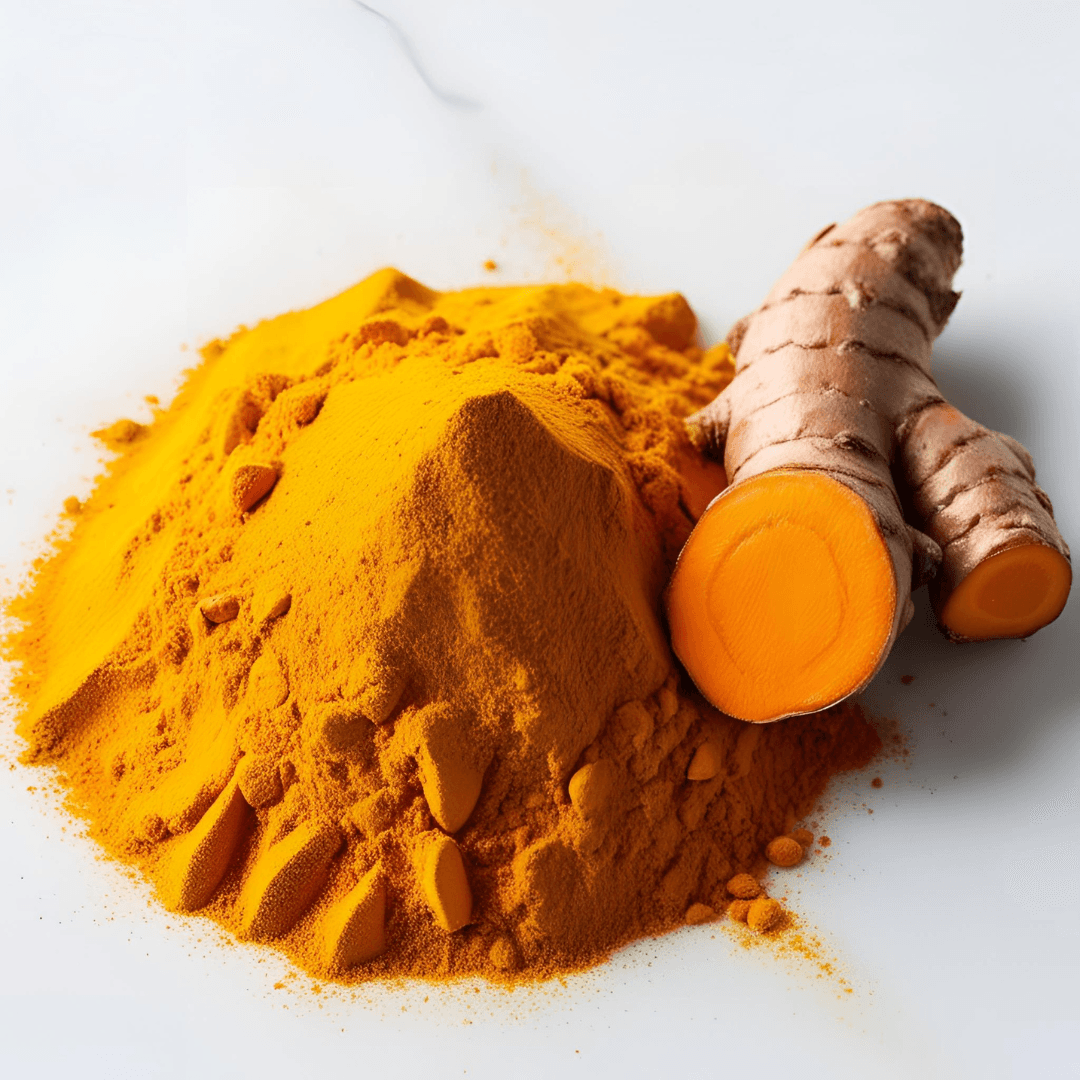
One ingredient. Organic turmeric root powder. That’s it. Pair with a fat source for better absorption — coconut milk works, a small amount of olive oil works, a spoonful of plain yogurt works.
What is turmeric used for in dogs?
Turmeric (Curcuma longa) is traditionally used to support a healthy inflammatory response, joint comfort, mobility in active and senior dogs, and tissue recovery. The active compound is curcumin, a polyphenol that has been heavily researched in human nutritional science and is increasingly studied in companion animal health.
Why pair turmeric with a fat source?
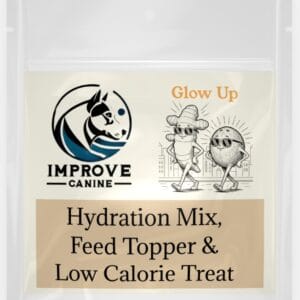
Curcumin is fat-soluble — it needs fat to be absorbed by the body efficiently. Without a fat source, most of the curcumin passes through the digestive system without being utilized. This is why our Glow Up blend pairs turmeric with coconut milk, and why herbalists traditionally recommend pairing turmeric with a fat carrier. For the single-ingredient pouch, owners typically mix a small daily dose with: coconut milk, a spoonful of plain whole-milk yogurt, a small drizzle of olive oil, or the natural fat already in their dog’s wet food.
Why pair turmeric with black pepper?
Black pepper contains piperine, a compound associated with supporting curcumin bioavailability. Research has suggested that piperine can significantly increase curcumin absorption. Many dog herbalists recommend a pinch (not a sprinkle — dogs are smaller than horses) of black pepper alongside turmeric for that reason. Always introduce gradually; some dogs don’t tolerate pepper well.
Is turmeric safe for dogs?
Single-ingredient turmeric contains no added sugar, no added salt, no copper, and no fillers. It’s generally well-tolerated in dogs at appropriate body-weight doses. Important cautions: turmeric may interact with blood-thinning medications (anticoagulants), certain diabetes medications, and certain chemotherapy drugs. Dogs in the 1-2 week window before any scheduled surgery should typically pause turmeric supplements. Dogs with bile duct obstructions, gallbladder issues, or certain kidney conditions should be discussed with your vet before introducing turmeric.
How do I give turmeric to my dog?
Start small and build up. For most dogs, a starting daily dose is ¼ teaspoon for small dogs (under 30 lbs), ½ teaspoon for medium dogs (30–60 lbs), and up to 1 teaspoon for large dogs (over 60 lbs). Always pair with a fat source, optionally add a pinch of black pepper, and introduce over 5–7 days to watch for tolerance. Your veterinarian can advise on specific daily dosages for your dog’s weight, breed, and condition.
What’s in it
- Organic turmeric root powder (Curcuma longa). That is the complete ingredient list.
- Human-grade. Organically sourced.
- Made in Land O’Lakes, Florida.
What’s NOT in it
- No added sugar, no added salt
- No copper, no fillers, no gums, no “natural flavors”
- No pharmaceutical-grade curcumin isolates — this is whole-food turmeric in its natural matrix
- No animal products
Who it’s safe for
Active dogs. Senior dogs. Dogs managing joint comfort. Part of the Farmily — the same organic turmeric powder is in our Turmeric — Improve Equine and in the Equine Golden Gulp hydration mix, scaled to equine dosing. Cautions: turmeric may interact with blood thinners, certain diabetes medications, and some chemotherapy drugs. Discuss with your vet before starting if your dog is on medication, scheduled for surgery within 1–2 weeks, has gallbladder or bile duct issues, pregnant, or nursing.
Pairs well with
For the blended turmeric experience with built-in fat source, see Glow Up — Improve Canine (turmeric + coconut milk). Turmeric is part of The Full Five bundle — the Canine Apothecary collection. For the horse in your life, see Turmeric — Improve Equine.
Improve Canine is made in Land O’Lakes, Florida. One of the most heavily-researched botanicals on the planet — dog-appropriate, single-ingredient, honestly sourced.
Important: This product is a health-supportive food-grade botanical. It is not a medicine, is not intended to diagnose, treat, cure, or prevent any disease, and is not a substitute for veterinary care. Turmeric may interact with anticoagulants, certain diabetes medications, and some chemotherapy drugs. Always consult your veterinarian before starting any new supplement, especially for dogs on medication, scheduled for surgery, with gallbladder or bile duct issues, pregnant, or nursing.